





30 Years of Sound Affects
Dec/27/23 15:31 Filed in: Sound Affects
I spent 14 years at KFAI hosting Shockwave with Dave Romm and Brian Westley. Then the station gave us some choices when a new schedule was being worked out. So I chose to go off in a new direction.
The first Sound Affects show was Saturday, January 1, 1994. It was right after the new Shockwave show with Dave and Brian. Occasionally we would share the hour if we found something that fit both our radio missions. On December 31, 2023 I will have completed 30 years hosting this show. Thanks so very much to the great folks at KFAI Community Radio for putting up with me all this time. I hope to keep going as long as KFAI will let me.
My goal is to introduce listeners to Audio Theater of all kinds. If I find a new podcast of plays, I’ll ask permission to air an episode to let people know it’s there. I’m particularly fond of science fiction, detectives and comedy – which are pretty common in audio theater circles. I especially look for Minnesota-made works. I also have a library of works from the last 40 or so years that I can choose from, some of them were made early enough that they don’t exist on the Internet at all; others no longer have their own web presence and are only hidden deep in a web cave like Archive.org. So I’ll dig those out. I look for the best. That means good writing, good acting, and very good production values. Sometimes I’ll pick up a work that is not so well produced but has a really good story or concept that deserves to be heard. They are just fun to listen to. I have many friends involved in making audio theater, all around the country and the world, and they often send me their work. If it is compliant with FCC language regulations I am happy to put it on the air here.
in my own audio work over those years I have a few dozen productions available on this website. A few of them were made in the studios of KFAI. Along with my partner, Brian Price, we have won an NFCB Golden Reel Award, two Mark Time Awards for Science Fiction Audio, a Norman Corwin Award from the National Audio Theatre Festivals for Contribution to Audio Theater, and an Audie Award from the international Audio Publishers Association for Best Audio Drama of 2017.
But I am most proud of the longevity of Sound Affects for 30 years. I don’t hear a lot from listeners, unless something goes wrong. I did have one fan tell me about listening to the show on Monday mornings while doing exercises. So if something does go wrong on the broadcast, I do try to get the archive fixed for those who listen online later on.
I have been listening to a new podcast by Twin Cities producers I have met, have word of a new episode in a long-running series by an old friend in upstate New York, and a brand new work of my own is under construction right now. So expect to hear some all new audio theater on Sound Affects coming up in the new year.
– Jerry Stearns
The first Sound Affects show was Saturday, January 1, 1994. It was right after the new Shockwave show with Dave and Brian. Occasionally we would share the hour if we found something that fit both our radio missions. On December 31, 2023 I will have completed 30 years hosting this show. Thanks so very much to the great folks at KFAI Community Radio for putting up with me all this time. I hope to keep going as long as KFAI will let me.
My goal is to introduce listeners to Audio Theater of all kinds. If I find a new podcast of plays, I’ll ask permission to air an episode to let people know it’s there. I’m particularly fond of science fiction, detectives and comedy – which are pretty common in audio theater circles. I especially look for Minnesota-made works. I also have a library of works from the last 40 or so years that I can choose from, some of them were made early enough that they don’t exist on the Internet at all; others no longer have their own web presence and are only hidden deep in a web cave like Archive.org. So I’ll dig those out. I look for the best. That means good writing, good acting, and very good production values. Sometimes I’ll pick up a work that is not so well produced but has a really good story or concept that deserves to be heard. They are just fun to listen to. I have many friends involved in making audio theater, all around the country and the world, and they often send me their work. If it is compliant with FCC language regulations I am happy to put it on the air here.
in my own audio work over those years I have a few dozen productions available on this website. A few of them were made in the studios of KFAI. Along with my partner, Brian Price, we have won an NFCB Golden Reel Award, two Mark Time Awards for Science Fiction Audio, a Norman Corwin Award from the National Audio Theatre Festivals for Contribution to Audio Theater, and an Audie Award from the international Audio Publishers Association for Best Audio Drama of 2017.
But I am most proud of the longevity of Sound Affects for 30 years. I don’t hear a lot from listeners, unless something goes wrong. I did have one fan tell me about listening to the show on Monday mornings while doing exercises. So if something does go wrong on the broadcast, I do try to get the archive fixed for those who listen online later on.
I have been listening to a new podcast by Twin Cities producers I have met, have word of a new episode in a long-running series by an old friend in upstate New York, and a brand new work of my own is under construction right now. So expect to hear some all new audio theater on Sound Affects coming up in the new year.
– Jerry Stearns
R.I.P Melinda Peterson
Aug/03/23 10:34

We are much saddened to hear of the recent death of Melinda Peterson. She was the wife of Phil Proctor, of the Firesign Theatre for 31 years. Besides her parts on TV shows like Jag and MacGyver, she was well regarded on stages in Los Angeles and across the U.S. She was also busy as a voice actress, starting with playing all 17 female parts in Proctor and Bergman’s Power audio series in 1990. She played in Norman Corwin’s The Plot To Overthrow Christmas, in Otherworld Media’s The BBC Murders as Agatha Christie herself, and in several of Crazy Dog Audio Theater’s works that we’ve featured on Sound Affects over the years. She had a very versatile voice and you could hear the smile she had in her heart and her personality. We’ll miss her.
Here’s an interview with Melinda that I found on YouTube. It’s a podcast about creativity.
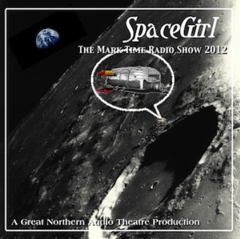
We were so fortunate to have worked with Melinda on some of our work over the past 25 years that we knew her. She played two utterly different characters in our Wizard Jack back in 1998, and in the madcap Martian Trombone 2018 at the Hear Now Festival in 2018. And when she came to the local Convergence SF convention, we wrote a special piece just for her to star in. She was just who we would always have wanted to play the lead in SpaceGirl: Downloading the Legacy. She had to play SpaceGirl at several ages of life, and she carried it off with aplomb.
The Right Side of Robin Miles
The Printed Versions
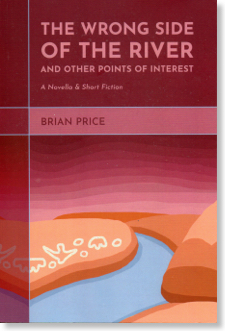
The Wrong Side of the River and Other Points of Interest
 I
IYes, we published the audio version first, because that’s what we do. Now Brian let’s us read it ourselves, along with numerous other short fiction works he has written. Paperback available from Lulu.
Big Fun Radio Funtime!
It’s been a while since Tim Wick’s Big Fun Radio has been able to do a show at the Convergence convention. It’s been a couple years since… anything. But that just gave us here at Great Northern Audio more opportunity to write something for him to present. So here are two pieces we wrote and they performed back in August. I was pleased to be able to do the sound effects for the show.
Is It Right For Me? A tale taken from all those pharmaceutical ads you see on TV, and how they are REALLY perceived by those who watch them.
In The Shop. You just know Batman and Robin have to take the Batmobile into the auto repair shop sometime. And it’s not easy to maintain such a high-tech machine with such high expectations on it.
The Wrong Side of the River
Jun/16/22 10:24 Filed in: Great Northern productions | Audiobook
An Audiobook by Brian Price
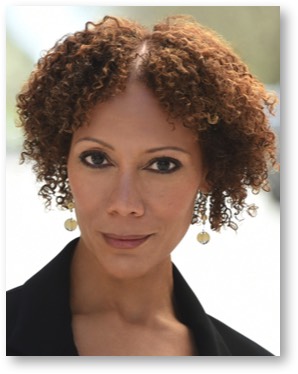
Read by Robin Miles
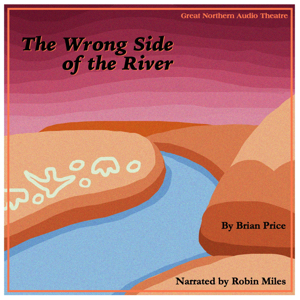
"This is a dream," says the narrator, "so I just jump to the good parts." 'The Other Side of the River' is a poetic allegory that we will all recognize as the current state of affairs in our world. Told through a collection of original voices, with whom mysteries fold and unfold like colorful fans, as the the story compels us to wonder, and wonder again: has the North Pole really moved? What happens when the river breaks? What is on the other side of the river? And where will we be when we get there? The author of the Old Cart Wrangler never disappoints with his comic meditations on his own private America.
Robin Miles throws herself into the narration of this lyrical novella with enthusiastic flair. In the not too distant past or future, everyone waits in the Town With No Name to cross the river. Folks can't get over it, and they can't get around it, so they learn to live with it. Miles crafts an astonishing array of voices to portray the inhabitants of the mysterious town--from a gruff wilderness man to an innocent girl--as they describe how the river affects them. Each character remains distinct but blends into a cohesive ensemble. Listeners will be swept into a story that starts as chaos and in the end fits together into a strange but enthralling whole. N.M. © AudioFile 2021, Portland, Maine – Audiofile Magazine – October 2021
The Wrong Side of the River is stunning, it’s really wonderful what you’ve done. I had no idea where it was going. And Robin was so good, my god, she breathed it, she lived it. A fine piece of writing too. Hats off to you. –– Tom Lopez, ZBS Foundation
Wrong Side of the River Sample
Published by Blackstone Publishing.
Also available at Audible.
Cart Wrangler Rides Again
Dec/16/20 15:47 Filed in: Great Northern productions
Loose Monologues in a Book
Brian Price has been writing these stories and monologues for a long time, and he’s finally gotten them published in the form they need to be in – where you can read them yourself.
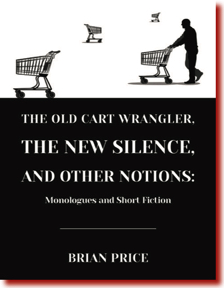
WE’VE ALL SEEN THAT LONE SHOPPING CART sitting on the edge of a parking lot. Who goes and gets it and brings it home? Why are the mouths of catsup bottles so narrow? What will the new silence sound like? Droll, slightly dystopian, and delightfully wobbly, this collection of comic prose poems and short fiction by audio drama producer and playwright, Brian Price, is a fine introduction to his unique world of magic realism, stage monologue, and childhood memories. Perfect for public performance, private soliloquies, or just reading with your mouth full during lunch.
All the spoken word pieces from Great Northern’s Loose Wheels and Narrow Necks collection, the entire Cart Wrangler’s Saga, plus short tales and remembrances. (Table of Contents)
Available directly from the publisher, Lulu. 172 pages, $16.99 in paperback.
Don’t You Get It
Jerry made up this little audio piece for a KFAI Pledge Drive Sound Affects Show back in October. Just the sort of thing that speaks to the cultural times, and had to be created entirely one voice at a time because of those times. It’s a call to action. It’s the many voices that need to be heard. It’s a poem with a question. Don’t You Get It?
The New Silence
A Poem for the Climate
This year is the 50th Earth Day, April 22nd. In commemoration of this event the HEAR Now Audio Fiction Festival presents an original poem for the climate. The New Silence is written and directed by Brian Price, of the Great Northern Audio Theatre. It features the voice talents of Dion Graham and Jane Oppenheimer, and an original musical score by Jason Kao Hwang. It was performed live at the 2019 HEAR Now Festival in Kansas City. The program includes the poem followed by commentary by the author and the performers.
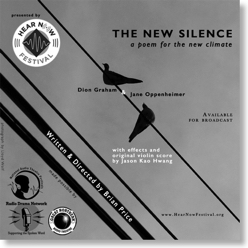
It’s first broadcast is on Sound Affects: A Radio Playground, on KFAI Community Radio in Minneapolis, MN, Sunday, April 19, at 9:30 PM. (9:30 PM Sundays at KFAI.org.) The shows archives are kept for two weeks after the broadcast. It’s a meditation we hope you will enjoy.
Also on the Sound Affects program you can hear a related song, Greta, Put Your Boots On, with lyrics by Brian Price, music and performance by Mike Wheaton. (Available on YouTube) And there are three other short works by Brian, all with some connection to climate change – or perhaps a bit of culture change.
Wireless Theatre makes it all free

The UK-based Wireless Theatre Company has just changed their download model, and made everything available for FREE. I encourage you to try them out. Their production values are superior, with great acting, music and sound. They’re nice people, too. Some of them came in to town a few years ago when they won an Ogle Award for part of their Springheel’d Jack series. Short pieces long series, comedy and suspense – everything you want for good listening.
The Long and Short Of It
Apr/07/20 13:31 Filed in: Great Northern productions | New Release
So Many Little Things…
The world has changed – a lot. Jerry has taken to pre-recording his Sound Affects: A Radio Playground shows for Sunday night broadcast. This gives him a chance to do some more adventurous things that can’t really be done live. He also gets in a little production practice, which is always a good thing. As for The Great Northern Audio Theatre, some of the larger projects that we have been working on have been put on hold, or shifted into slow motion for a while. We don’t know how long that might be. We have a number of related audio projects that we can do, and have been doing. So let us tell you about those.
Last Tuesday Podcast
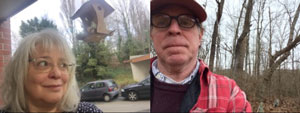
Norman Corwin Award winner Marjorie Van Halteren produces the Last Tuesday Sound Art Podcast from her home in France. Silence Is Coming is an episode she and Brian Price created at a distance back in January of last year.
Safe Karaoke
Last July we wrote a piece for Tim Wick’s Big Fun Radio Funtime cast to perform at Convergence 2019. Brian and Jerry had this idea about when automation comes too close to entertainment, in this case Karaoke. Here is Practicing Safe Karaoke. And there is more free comic audio from Big Fun Radio Funtime, and other people we have worked with on our SideTracks page.
Earlid
Brian and his daughter, Eleanor have joined some very nice company with Earlid . They decided to try a different way to talk about the environment and climate change — get personal and get surreal. Eleanor plays the music on the piece, as well as performing some of the vocals. Earlid is “an online gallery of evolving exhibits of sound art”. Here is Vanishing.
Archives
Jerry was digging back into various archives and came up with a short poem scribed for a fanzine long ago. He had David Ossman read it for him, and then added some sounds to fill it out. It’s about the consequences of noise pollution. Please tune your ears to Listen! I Can’t Hear It Still, but don’t play it too loudly.
Bent Sunshine
Free Sound Effects
The entire catalog of sound effects in the BBC Sound Effects Library has now been posted online, in WAV format, for personal use. It has a very limited searchability, so you have to slog through them click by click; and there’s a LOT there, over 16,000 sounds. Remember, they are for personal or educational use only, you still have to license them for commercial productions.
Matthew Fecher, at AudioKit Pro has released a FREE set (over 800 loops) of Keyboard samples, recorded many years ago on Casio and Yamaha keyboards. Compared to today’s synthesizers and computer loops, they are just toys. But the vintage sound is fun and can be creatively useful. And they are Free to get and Royalty Free to use. So download the 490 MB zipped collection and see what you can do with them.
A Radio Playground - Live Audio Theater
May/01/19 16:16 Filed in: Great Northern productions
Live at the Hook and Ladder Theater
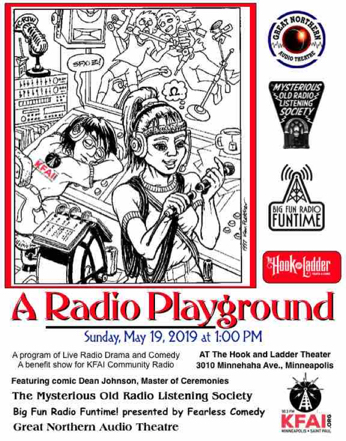
Presenting a program of Live Radio Drama and Comedy in a Benefit show for KFAI Radio (90.3 FM, and KFAI.org).
Sunday, May 19, at 1:00 PM at the Hook and Ladder Theater, 3010 Minnehaha in Minneapolis.
KFAI Community Radio is practically the only station in the Twin Cities that still supports Modern Audio Theater. So come out to see one of the few presentations of the ancient and new arts of Radio Drama, and support your favorite local radio station.
Local comic and Ukelele instructor, Dean Johnson, will act as the Master of Ceremonies and guide us through the many places that audio can take you that television and movies cannot.
First off is The Mysterious Old Radio Listening Society, who re-stages the great horror and suspense shows from the golden age of radio, including tales from Suspense, Lights Out, The Witch’s Tale, The Shadow, and more. Each episode is performed live on stage with actors playing multiple roles and producing all of the sound effects. We also produce the The Mysterious Old Radio Listening Society podcast!
Then Fearless Comedy presents BIG FUN RADIO FUNTIME!, where Artistic Director, Tim Wick, brings in gloriously original sketches written with your mind in mind.
And we’ll finish it off with a set of short plays from the Award-winning Great Northern Audio Theatre, taking you on ordinary and fantastic journeys to places you didn’t know you wanted to go. Including A Day at the Library, and Tell Them NAPA Sent You.
Suggested donation - $10.